


.svg)
.jpg)

.webp)



Download our app


Personal trainers spend their careers teaching clients the importance of recovery. Sleep. Stress management. Rest days. Sustainable habits.
Yet many coaches struggle to apply those same principles to themselves.
According to the World Health Organization, burnout is the result of chronic workplace stress that hasn't been successfully managed.
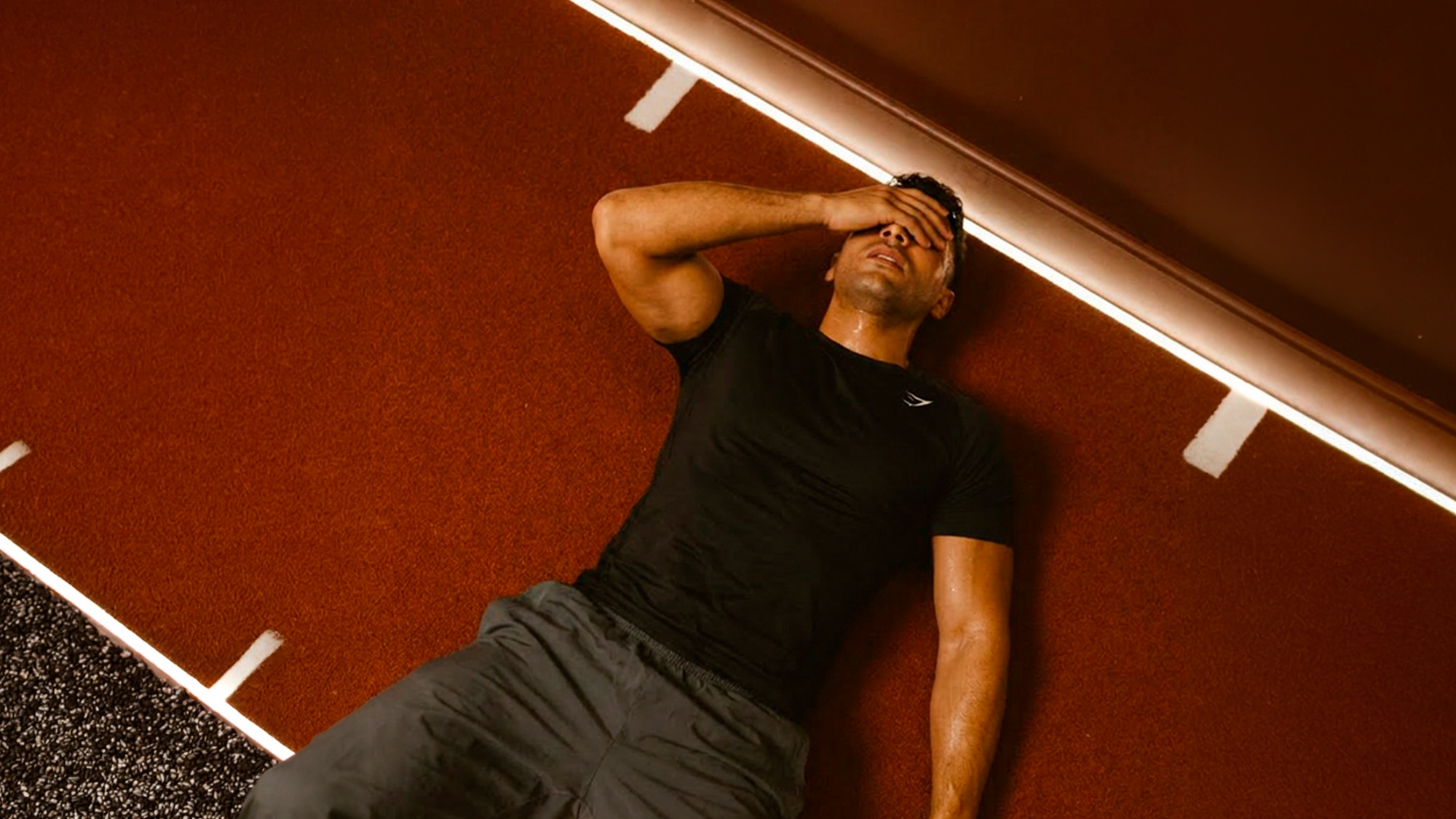
For personal trainers, it rarely appears overnight. More often, it builds quietly through long days, emotional demands and the pressure of running a business while helping everyone else achieve their goals.
1. Burnout Isn't About Working Too Much. It's About Recovering Too Little.
You know better than anyone that progress doesn't happen during training. It happens during recovery.
The same applies to your career. A 2022 study of strength coaches and personal trainers found that one in three reported signs of personal burnout.
The issue isn't always workload itself, but the lack of time and space to recover from it. The most sustainable coaches protect recovery with the same discipline they encourage in their clients. Because recovery isn't time away from work. It's what allows you to keep doing it.
2. The Emotional Labour Is Often Greater Than The Physical Labour
Most people think personal training is physically demanding.
In reality, it's often emotionally demanding. Clients bring stress, anxiety, confidence issues and personal challenges into sessions. Coaches are expected to motivate, support and guide them, regardless of what's happening in their own lives.
Research consistently identifies emotional exhaustion as one of the defining characteristics of burnout. The strongest coaches aren't the ones who carry everything. They're the ones who recognise when they need support, boundaries and recovery too.
3. Constant Availability Creates Constant Stress
The modern personal trainer is rarely off duty.
WhatsApp messages. Programme updates. Instagram DMs. Last-minute schedule changes.
While technology has made coaching more accessible, it has also blurred the line between work and personal life. Research from the American Psychological Association shows that people who struggle to disconnect from work experience significantly higher levels of stress and exhaustion.
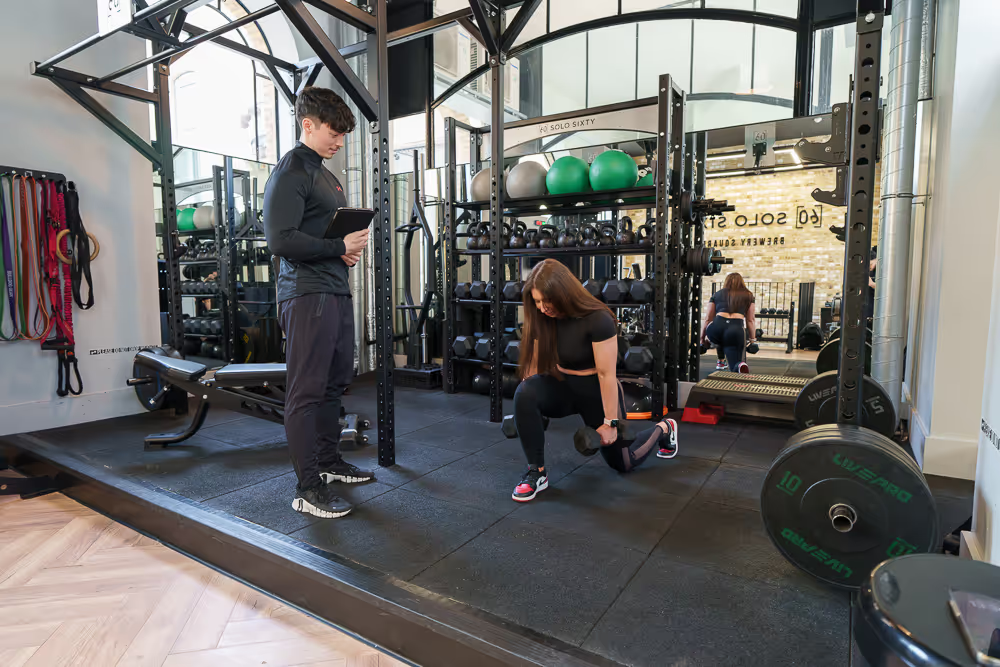
Creating boundaries is easier when your coaching happens in a dedicated environment. Many freelance personal trainers are moving towards private PT gyms and bookable training spaces that allow them to focus entirely on the client during the session and switch off when it's over.
4. When Every Session Feels Like A Performance
Today's trainers aren't just coaches.
They're marketers, content creators, salespeople and business owners.
Social media has created enormous opportunities, but it's also created pressure to always appear motivated, successful and growing. The result is that many trainers spend as much energy performing success as they do delivering it.
One of the healthiest things a coach can do is spend less time worrying about visibility and more time focusing on the quality of the session itself. After all, clients remember great coaching far longer than they remember a Reel.
5. Sustainable Coaches Build Sustainable Businesses
The fitness industry often celebrates hustle.
The coaches who last ten or fifteen years tend to build something different.
They create businesses that protect their time, reduce unnecessary friction and allow them to focus on their craft. That might mean stronger boundaries, better scheduling or choosing a gym for personal trainers that gives them more control over the coaching experience.
Increasingly, coaches are seeking environments designed around privacy, focus and flexibility—not just for their clients, but for themselves too.
Because the goal isn't simply to build a busy business. It's to build one you'll still enjoy running five years from now.
Sources
- World Health Organization (WHO). Burn-out: An Occupational Phenomenon (ICD-11).
- Snarr RL, Beasley VL. Personal, Work-, and Client-Related Burnout Within Strength and Conditioning Coaches and Personal Trainers. Journal of Strength and Conditioning Research, 2022.
- Khammissa RAG et al. Burnout Syndrome: Neurophysiological Factors, Clinical Features and Management, 2022.
- American Psychological Association (APA). Workplace Wellbeing and Burnout Research.
SHARE


MORE FROM
PRO TIPS
:


.svg)




.svg)


